Surgical
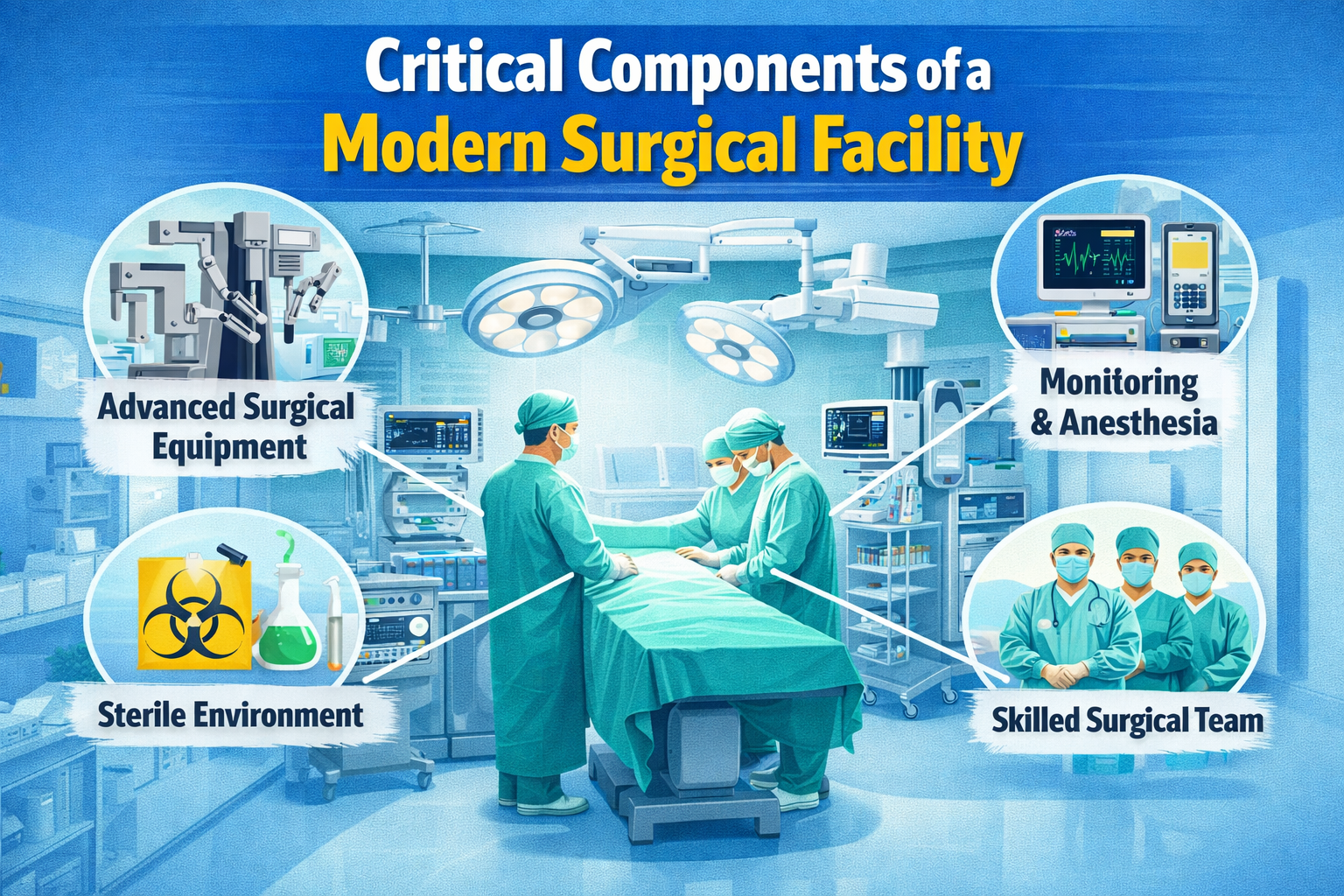
Modern surgical facilities are at the heart of healthcare, combining precision, safety, and efficiency to provide the highest quality care. Creating a surgical facility that meets today’s standards requires careful planning, adherence to strict regulations, and investment in advanced technology. From patient safety measures to operational systems, understanding the critical components of a modern surgical facility is essential for administrators, healthcare professionals, and facility managers.
1. Patient Safety Infrastructure
Patient safety is the cornerstone of any surgical facility. This begins with a thoughtfully designed layout that minimizes infection risk, ensures smooth patient flow, and provides rapid access to emergency care. Critical elements include:
- Sterile Operating Rooms: Proper ventilation, laminar airflow systems, and sterile storage areas reduce contamination risks.
- Recovery Rooms: Equipped with monitoring systems and emergency response tools to ensure patients are stable post-procedure.
- Infection Control Protocols: Handwashing stations, antimicrobial surfaces, and strict cleaning schedules are mandatory.
2. Advanced Surgical Equipment
Surgical outcomes depend heavily on the quality and reliability of medical equipment. Modern facilities require:
- High-Precision Surgical Instruments: Instruments must be regularly sterilized and maintained to ensure precision.
- Imaging Technology: MRI, CT, and portable imaging systems allow for real-time surgical guidance.
- Anesthesia and Monitoring Systems: State-of-the-art anesthesia machines and patient monitoring devices ensure safety during procedures.
One often-overlooked but vital system is Line Isolation Monitor Testing, which ensures electrical safety for sensitive operating room equipment, protecting both patients and staff from potential electrical hazards.
3. Compliance with Regulations
A surgical facility must adhere to strict healthcare regulations and standards. Compliance not only protects patients but also ensures the facility remains operational. Key considerations include:
- Licensing and Accreditation: Ensuring the facility meets local and national healthcare authority requirements.
- OSHA and JCAHO Standards: Following workplace safety and patient care standards established by these organizations.
- Documentation Systems: Maintaining accurate records for procedures, equipment maintenance, and safety checks.
4. Skilled Personnel
Even the most advanced facility is only as effective as its staff. Modern surgical centers rely on:
- Surgeons and Anesthesiologists: Highly trained professionals capable of performing complex procedures.
- Nurses and Technicians: Skilled in patient care, sterile procedures, and operating room logistics.
- Support Staff: Administrative and maintenance personnel ensure smooth facility operations and patient comfort.
5. Efficient Operational Systems
Operational efficiency reduces delays, improves patient outcomes, and enhances staff performance. Essential operational systems include:
- Electronic Health Records (EHR): Centralized patient data improves coordination and reduces errors.
- Inventory Management: Ensures surgical instruments and supplies are always available and maintained.
- Scheduling and Workflow Software: Optimizes operating room use and staff allocation for maximum efficiency.
6. Facility Design and Infrastructure
The physical design of a surgical facility directly impacts workflow, safety, and patient experience. Considerations include:
- Accessible Layouts: Minimizing travel time between critical areas like operating rooms, imaging suites, and recovery units.
- Ergonomic Design: Ensuring staff can perform procedures efficiently without unnecessary strain.
- Sustainable Systems: Energy-efficient lighting, HVAC, and water systems support environmental responsibility while reducing operating costs.
7. Emergency Preparedness
Preparedness for emergencies is critical. Facilities should have:
- Backup Power Systems: To keep life-saving equipment operational during outages.
- Emergency Protocols: Clear procedures for medical, fire, or natural emergencies.
- Training Drills: Regular staff exercises to maintain readiness for unexpected situations.
In Conclusion
Building and maintaining a modern surgical facility is a complex task that requires attention to safety, technology, compliance, and operational efficiency. From sterile operating rooms to advanced imaging systems, skilled personnel, and emergency preparedness, every component plays a crucial role in patient outcomes. By prioritizing these critical elements—including Line Isolation Monitor Testing for electrical safety—healthcare providers can ensure their surgical facilities operate at the highest standards, delivering safe, efficient, and high-quality care to every patient.
About the Author