Professionals
Human resource management is changing rapidly as workplaces adapt to new technologies, employee expectations, and global trends. For HR leaders and professionals, conferences offer a unique space to learn, collaborate, and gain practical insights. Understanding what professionals can learn from a human resource management conference in Canada helps organizations and individuals stay competitive in today’s dynamic workplace landscape.
Professionals attending these conferences can learn emerging HR trends, leadership strategies, talent management practices, HR technology innovations, and effective employee engagement methods. They also gain valuable networking opportunities and practical solutions for real workplace challenges. Keep reading to discover deeper insights into what professionals can learn from an HRM conference in Canada.
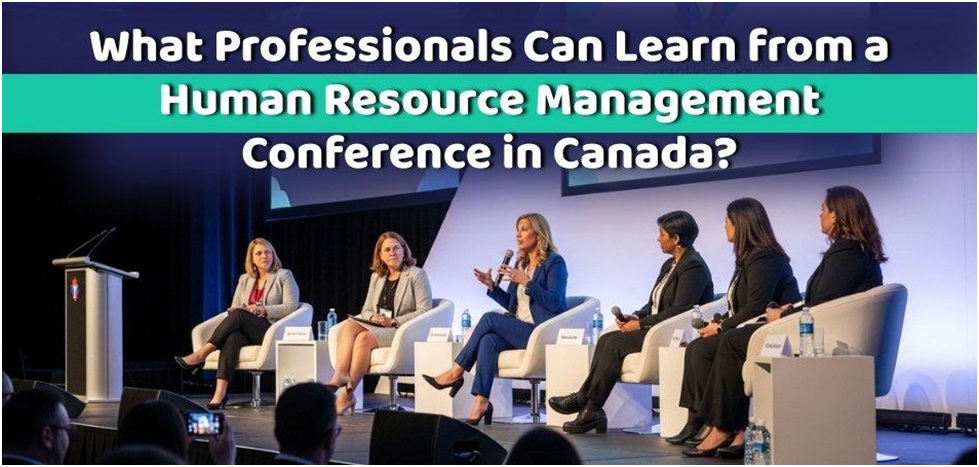
What Professionals Can Learn From a Human Resource Management Conference in Canada?
Human resource leaders face constant workplace changes. Conferences help professionals learn practical strategies, new ideas, and industry updates quickly. Understanding these lessons helps HR teams strengthen organizations and people management. Explore the insights below to discover what professionals can learn from an HRM in Canada.
Latest Human Resource Industry Trends
Human resource conferences highlight evolving workplace patterns that influence hiring, leadership, and employee expectations. Professionals learn how economic shifts, workforce diversity, and technology reshape organizational strategies across industries today.
Experts share research, case studies, and real workplace examples during sessions and panel discussions. These insights help professionals understand changing labor markets and guide organizations toward smarter workforce planning decisions.
Innovative Talent Management Strategies
HR leaders discuss modern approaches to hiring, training, and retaining talented employees. Professionals learn methods that strengthen recruitment pipelines and improve long-term workforce development inside competitive organizations.
Through workshops and discussions, professionals exchange ideas about skill development, mentoring, and performance management systems. These strategies help organizations attract talented people while building supportive and productive work environments.
HR Technology and Digital Transformation Practices
Modern HR conferences introduce professionals to technology that improves recruitment, employee management, and workplace communication. Professionals learn how digital tools simplify HR processes and strengthen decision-making across organizations.
Technology sessions explain how automation, cloud platforms, and artificial intelligence support human resource operations. Professionals discover practical tools that improve efficiency while helping HR teams focus on people and organizational growth.
Leadership and Organizational Culture Development
Leadership sessions show how HR professionals influence workplace culture and guide organizational change. Professionals learn how leaders build trust, support collaboration, and encourage inclusive work environments that strengthen employee commitment.
Experts explain leadership behaviors that improve communication, motivation, and employee performance. These discussions help professionals understand how HR leadership shapes culture while supporting long-term organizational success.
Employee Engagement and Workplace Well-Being Strategies
Employee engagement remains a central topic during HR conferences and professional workshops. Professionals learn how supportive policies, recognition programs, and positive environments strengthen employee satisfaction and workplace productivity.
Speakers explain how well-being initiatives support mental health, teamwork, and employee motivation. These strategies help organizations create workplaces where employees feel valued, respected, and inspired to perform consistently.
Data-Driven HR Decision-Making Techniques
HR conferences teach professionals how organizations use workforce data to guide strategic decisions. Professionals learn how analytics reveal employee trends, performance insights, and workforce planning opportunities across modern workplaces.
These discussions help professionals understand how accurate data supports recruitment strategies and organizational planning. By using analytics responsibly, HR teams improve decisions and create stronger evidence-based human resource strategies.
Networking and Collaboration With HR Leaders
Networking remains one of the most valuable experiences professionals gain from HR conferences. Professionals meet HR leaders, researchers, and industry experts who share ideas that strengthen professional knowledge and career growth.
During conversations and group discussions, participants exchange insights about workplace challenges and solutions. Professionals attending events like a human resource management conference in Canada often build partnerships that encourage collaboration, learning, and long-term professional development.
Practical Applications for Workplace Improvement
HR conferences help professionals turn ideas into practical workplace improvements. Professionals learn how organizations apply modern HR strategies to improve teamwork, communication, and employee satisfaction across diverse industries.
These real examples show how HR initiatives influence productivity and organizational success. Professionals return to their workplaces prepared to implement strategies that strengthen culture, leadership, and overall workforce performance.
Emerging HR Trends Discussed at Canadian HR Conferences
Workplaces continue to advance as organizations respond to new technologies, workforce expectations, and leadership challenges. Canadian HR conferences help professionals understand these changes and apply practical strategies within their organizations. The trends below highlight key insights shaping modern HR practices. Keep reading to explore how these developments influence today’s workplaces.
Future of Work and Hybrid Workplace Models
The future of work remains a major focus for HR professionals as organizations balance flexibility with productivity. Hybrid workplace models combine remote and office environments, allowing employees to work efficiently while maintaining collaboration with teams and leadership.
HR conferences often highlight how organizations implement hybrid strategies that support communication, employee engagement, and performance. Professionals learn how flexible policies, digital collaboration tools, and thoughtful leadership approaches help maintain productivity while supporting employee well-being.
Key Hybrid Workplace Strategies
- Establish clear remote and in-office work policies
- Encourage collaboration through digital communication tools
- Support employee work-life balance initiatives
- Provide training for managing distributed teams
Organizations that implement effective hybrid models often experience improved employee satisfaction and retention. By learning from these discussions, HR professionals gain valuable knowledge to build flexible workplaces that support both employee needs and business goals.
Diversity, Equity, and Inclusion Strategies
Diversity, equity, and inclusion continue to shape modern HR leadership discussions. Canadian HR conferences emphasize how inclusive workplaces improve innovation, collaboration, and employee satisfaction while strengthening organizational culture.
HR professionals learn practical methods to create equitable opportunities for employees from different backgrounds. These strategies include inclusive recruitment practices, leadership training, and workplace policies designed to support fairness and respect.
Key DEI Practices Organizations Implement
| Strategy | Impact |
| Inclusive hiring processes | Attract diverse talent |
| Bias awareness training | Promote fair decision-making |
| Inclusive leadership programs | Strengthen team collaboration |
| Equitable career advancement policies | Support employee growth |
These initiatives help organizations build environments where employees feel respected and motivated. HR professionals leave conferences with actionable ideas that encourage diversity and inclusion across teams.
Workforce Planning and Talent Development
Strategic workforce planning helps organizations prepare for future workforce demands. Canadian HR conferences often highlight how companies identify skill gaps and develop training programs that support long-term organizational success.
Professionals learn how to align talent strategies with business objectives. Workforce planning involves analyzing industry trends, developing leadership pipelines, and building employee development initiatives that strengthen workforce capabilities.
Talent Development Approaches
- Leadership training programs for future managers
- Mentorship initiatives that support career growth
- Continuous learning and professional development opportunities
- Succession planning strategies for critical roles
These discussions help HR leaders understand how proactive workforce planning ensures organizational resilience. Companies that invest in employee development often build stronger teams capable of adapting to evolving industry demands.
Employee Experience and Workplace Culture
Employee experience plays a central role in shaping productive workplaces. HR conferences frequently explore how organizations design supportive cultures that encourage collaboration, motivation, and long-term employee engagement.
HR leaders learn strategies that improve workplace satisfaction while strengthening communication between employees and leadership. When organizations prioritize employee experience, they create environments where people feel valued and motivated.
Elements That Strengthen Workplace Culture
- Transparent leadership communication
- Employee recognition and reward programs
- Opportunities for learning and career growth
- Policies supporting well-being and work-life balance
Organizations that focus on employee experience often see improved productivity and retention. These insights help HR professionals design workplace cultures that support both employee happiness and organizational performance.
Practical Skills Professionals Gain From HR Conferences
HR conferences provide professionals with hands-on knowledge that strengthens everyday workplace decision-making. From talent management to workplace leadership, these events focus on practical strategies that HR teams can apply immediately. Here are the highlights of the most valuable skills professionals gain.
Strategic Talent Acquisition Techniques
Recruiting skilled employees remains one of the most important responsibilities for HR professionals. Conferences introduce modern recruitment approaches that help organizations attract qualified candidates while building strong talent pipelines for future growth.
During industry sessions, professionals attending an HRM conference in Canada often explore advanced hiring practices such as employer branding, digital recruitment platforms, and skills-based hiring strategies.
Key Talent Acquisition Techniques
- Employer branding to attract top candidates
- Skills-focused hiring instead of traditional credential filtering
- Digital recruitment tools and applicant tracking systems
- Data insights to improve recruitment efficiency
These techniques help HR professionals identify the right candidates faster while creating recruitment processes that support long-term organizational success.
Employee Retention and Engagement Strategies
Employee retention continues to be a priority for organizations seeking stability and productivity. HR conferences share proven strategies that help companies keep talented employees while improving workplace satisfaction.
Professionals learn how recognition programs, clear career pathways, and supportive leadership strengthen employee engagement. These initiatives help organizations reduce turnover while encouraging employees to remain committed to their roles.
Effective Retention Strategies
| Strategy | Benefit |
| Career development programs | Encourages long-term employee commitment |
| Recognition and reward systems | Improves motivation and morale |
| Flexible work policies | Supports work-life balance |
| Employee feedback systems | Strengthens communication |
By implementing these approaches, HR leaders build workplaces where employees feel valued and motivated to contribute consistently.
Conflict Resolution and Workplace Mediation
Workplace conflicts can affect productivity, communication, and team relationships. HR conferences provide valuable training that helps professionals address disagreements constructively and maintain positive workplace environments.
Professionals learn how to mediate disputes, listen actively, and encourage respectful dialogue between employees. These skills allow HR leaders to resolve issues quickly while preventing conflicts from escalating into larger organizational problems.
Core Mediation Skills HR Professionals Develop
- Active listening and communication techniques
- Neutral mediation strategies during workplace disagreements
- Building fair and transparent conflict resolution processes
- Encouraging collaborative problem-solving among employees
These approaches help organizations maintain healthy workplace relationships while protecting productivity and employee trust.
HR Analytics and Data-Driven Decision Making
Modern HR departments increasingly rely on data to guide strategic decisions. Conferences introduce HR professionals to analytics tools that provide insights into workforce performance, engagement, and productivity.
Professionals learn how workforce data supports better recruitment decisions, employee development planning, and organizational forecasting. Data-driven HR management helps leaders identify patterns that influence workplace success.
Common HR Metrics Discussed
- Employee turnover rates
- Recruitment efficiency and time-to-hire
- Employee engagement scores
- Workforce productivity indicators
By understanding analytics, HR professionals gain the ability to make evidence-based decisions that strengthen workforce planning and organizational performance.
HR Technology and Digital Transformation Insights
Digital transformation continues to reshape how HR teams manage recruitment, employee development, and workplace communication. HR conferences introduce professionals to technologies that streamline administrative processes and improve operational efficiency.
Professionals explore HR software platforms, automation tools, and digital collaboration systems that simplify everyday HR tasks. These technologies allow HR teams to focus more on strategic leadership rather than routine administrative work.
Popular HR Technology Tools
- Human resource information systems (HRIS)
- Automated recruitment platforms
- Employee performance management software
- Digital learning and development platforms
By understanding these technologies, HR professionals help organizations implement digital solutions that improve both efficiency and employee experience.
Leadership and Strategic HR Management Lessons
HR leaders play a crucial role in guiding organizational strategy and shaping workplace culture. HR conferences provide valuable leadership insights that help professionals strengthen communication, decision-making, and team management.
Through keynote sessions and expert discussions, HR professionals learn how strategic HR management aligns workforce initiatives with business objectives. These lessons help organizations develop stronger leadership structures and long-term growth strategies.
Leadership Skills Highlighted at HR Conferences
- Strategic workforce planning and organizational alignment
- Leadership communication and team motivation
- Change management during organizational transitions
- Building positive workplace cultures
By applying these leadership principles, HR professionals support organizational growth while ensuring employees remain engaged, productive, and aligned with company goals.
Networking Opportunities and Industry Collaboration
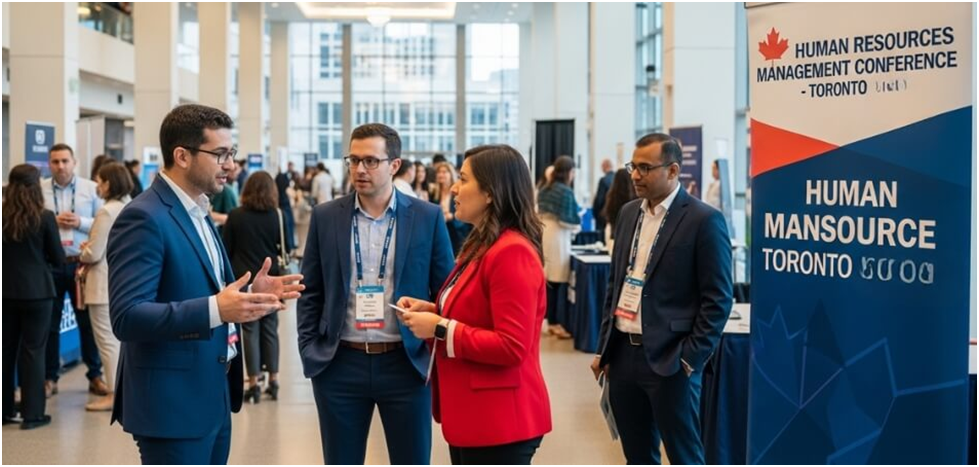
HR conferences provide more than learning sessions; they create powerful networking environments where professionals build meaningful industry connections. These interactions help HR leaders exchange ideas, discuss challenges, and discover practical solutions together. Explore the networking benefits below to understand how collaboration strengthens professional growth.
Connecting With HR Leaders and Experts
Networking sessions at HR conferences allow professionals to meet experienced HR leaders, consultants, and industry specialists. These interactions provide opportunities to learn directly from individuals who have successfully managed complex workplace challenges.
Professionals often gain valuable insights during conversations with keynote speakers and senior HR executives. Many professionals attending a human resource management conference in Canada discover mentorship opportunities and expert guidance that support long-term career development.
Benefits of Connecting With HR Experts
- Learning from experienced HR professionals
- Understanding industry best practices
- Discovering leadership perspectives on workplace challenges
- Gaining mentorship and career guidance
These connections help professionals expand their knowledge while building relationships that may support future collaboration and professional development.
Learning From Peer Experiences
HR professionals often face similar workplace challenges, such as employee engagement, recruitment difficulties, and organizational change. Conferences provide a supportive environment where professionals share experiences and discuss practical solutions.
Through workshops and discussion groups, participants exchange ideas about real-life workplace situations. These conversations allow professionals to learn from others’ successes and mistakes, helping them improve their own HR strategies.
Key Benefits of Peer Learning
| Peer Learning Activity | Professional Benefit |
| Roundtable discussions | Exchange workplace solutions |
| Panel conversations | Learn multiple perspectives |
| Informal networking sessions | Share real experiences |
| Collaborative workshops | Solve HR challenges together |
Learning from peers strengthens problem-solving skills and helps HR professionals gain new perspectives on familiar workplace issues.
Building Professional HR Communities
HR conferences often help professionals create long-lasting communities that extend beyond the event itself. These professional communities support knowledge sharing, collaboration, and continuous learning throughout an HR professional’s career.
Professionals frequently stay connected through online groups, industry forums, and professional associations formed during conferences. These networks encourage collaboration and keep HR professionals informed about new workplace trends and leadership practices.
Ways HR Communities Support Professionals
- Sharing industry news and HR insights
- Encouraging collaboration between organizations
- Providing support for solving workplace challenges
- Promoting ongoing professional learning
Strong HR communities allow professionals to continue exchanging knowledge even after conferences end. These relationships help HR leaders stay informed, connected, and prepared to manage evolving workplace demands.
Career Development Benefits of Attending HR Conferences
HR conferences play an important role in professional growth by helping individuals expand knowledge, strengthen leadership skills, and build meaningful industry connections. These events expose professionals to new learning opportunities that support long-term career advancement. Continue reading to explore how HR conferences contribute to career development.
Continuing Professional Development (CPD) Opportunities
Continuing Professional Development helps HR professionals maintain and improve their professional skills throughout their careers. Conferences often include workshops, seminars, and training sessions designed to enhance knowledge across multiple HR disciplines.
Professionals attending sessions at a human resource management conference in Canada frequently gain access to structured learning programs that strengthen their expertise in recruitment, leadership, workplace culture, and strategic HR management.
Key CPD Learning Opportunities
- Interactive workshops on modern HR practices
- Expert-led seminars discussing industry trends
- Skill development sessions for HR leadership
- Training on emerging HR technologies and tools
These programs allow HR professionals to continuously update their knowledge and remain competitive within the evolving workplace environment.
Certification and Learning Credits
Many HR conferences provide certification opportunities or learning credits that contribute to professional accreditation requirements. These certifications demonstrate a professional’s commitment to ongoing education and skill development.
HR professionals can often earn credits that count toward recognized HR designations or professional memberships. These credentials strengthen credibility and highlight an individual’s dedication to professional excellence.
Examples of Learning Credits Offered
| Certification Type | Professional Value |
| Professional HR certification credits | Strengthens industry recognition |
| Continuing education credits | Maintains professional credentials |
| Leadership development certifications | Enhances management skills |
| Specialized HR training certificates | Demonstrates subject expertise |
These certifications help professionals maintain recognized industry standards while improving their qualifications for advanced career opportunities.
Expanding Professional Career Opportunities
HR conferences often create opportunities for career advancement by connecting professionals with recruiters, HR leaders, and industry organizations. These connections may lead to new job opportunities, collaborations, or leadership roles.
Professionals also gain insights into emerging career paths within HR, such as HR analytics, organizational development, and strategic workforce planning. Understanding these areas allows professionals to align their career goals with evolving industry demands.
Career Opportunities for Professionals Discover
- Leadership roles in HR departments
- Consulting opportunities in HR strategy
- Specialized roles in HR technology and analytics
- Positions focused on organizational culture and employee experience
By attending HR conferences and applying the insights gained, professionals strengthen their career prospects while developing the skills required for future leadership roles.
Closing Remarks
Attending HR conferences gives professionals valuable knowledge that helps them improve workplace strategies, leadership skills, and employee engagement practices. Understanding what professionals can learn from a human resource management conference in Canada helps organizations stay competitive while supporting a positive and productive work environment.
From HR technology insights to networking with industry leaders, these conferences provide practical ideas that professionals can apply immediately. They strengthen career growth and organizational success. Continue exploring these insights to fully understand what professionals can learn from the HR conference in Canada.
About the Author