Check Suit
Understanding different check styles
Not all check suits look the same, and knowing the difference helps when choosing one for a specific setting.
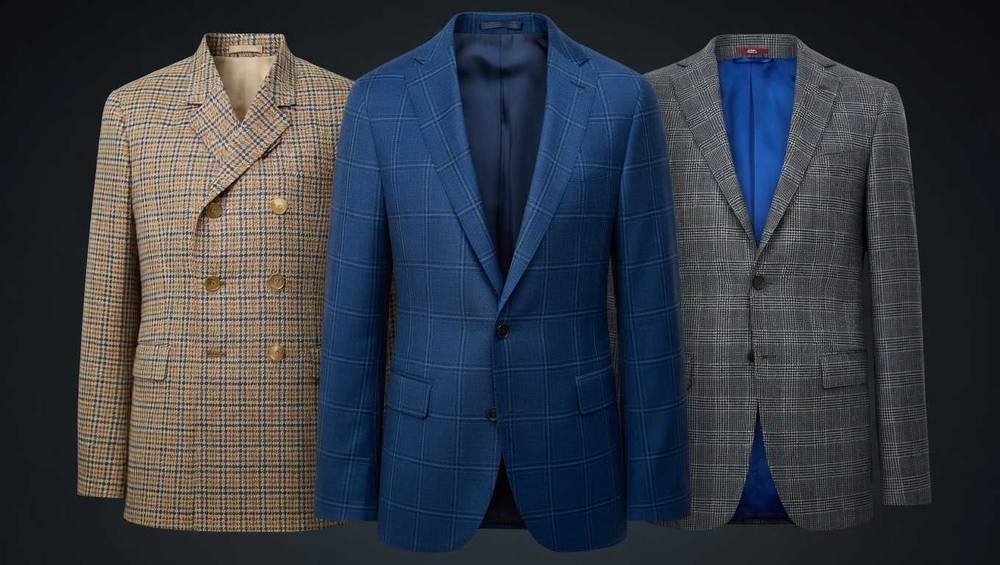
Prince of Wales is one of the most recognised patterns. It combines multiple checks into a layered design and is usually seen in grey tones. It works well in both business and formal settings.
Windowpane checks are simpler. They use wider spacing and a single line colour, often over a plain base. This style feels cleaner and is easier to wear for those new to patterned suits.
Tartan checks are more distinctive and are usually linked to heritage styling. These are less common for formal occasions but can work well in social settings.
Micro-checks are the most subtle option. From a distance they often look like a solid colour, making them suitable for professional environments.
Colour choices that suit different occasions
Colour plays a major role in how a check suit is received. The same pattern can feel very different depending on the base shade.
Navy remains the most reliable choice. A navy check suit works across weddings, formal events, and business use. It is easy to pair with standard shirt and tie combinations and tends to photograph well.
Grey offers flexibility. Lighter greys are often chosen for daytime events, especially in warmer months. Darker greys are more suited to evening settings and formal gatherings.
Blue tones bring a more relaxed feel. These are commonly seen at summer events and are often styled with brown footwear for a softer finish.
Darker shades like black or deep charcoal with a subtle check can be used for formal evening wear, especially when the pattern is kept understated.
The role of a three piece check suit
A three piece check suit introduces a waistcoat, which changes the overall look and function of the outfit. It adds structure and keeps the outfit looking complete even when the jacket is removed.
This is one reason three piece styles are often chosen for weddings and formal occasions. The waistcoat helps maintain a sharp appearance throughout the day. It also adds a level of consistency in photos, which is something many people consider when choosing what to wear.
A two piece check suit is still the more flexible option for regular use. It can be worn in full or split into separate pieces. The blazer can be paired with plain trousers, while the trousers can be worn with knitwear or a simple shirt.
Where a check suit fits best
Check suits are now accepted in more settings than they once were, but the pattern should still match the occasion.
For weddings, a check suit is a common choice for both guests and grooms. Neutral colours and balanced patterns are usually preferred, especially for more traditional ceremonies.
At race meetings and social events, checks are often more noticeable. Larger patterns and lighter colours are widely worn in these settings.
In business environments, subtle checks can offer a small point of difference while still fitting within dress expectations. The key is keeping both the pattern and colour understated.
For formal events such as prom or evening functions, check suits are often chosen by those who want something slightly different while still staying within a smart dress code.
Styling a check suit without overcomplicating it
The most effective way to style a check suit is to keep everything else simple. A plain shirt works best in most cases, as it allows the pattern to remain the focus.
Ties can either match the base colour or pick up a secondary tone within the check. This helps tie the outfit together without making it look forced.
Footwear should stay classic. Black shoes are the safer option for formal occasions, while brown works well for daytime or less formal settings.
Accessories should be used carefully. A simple pocket square or watch is often enough. Adding too many details can take attention away from the suit itself.
Why it remains a practical choice
Many people move towards checks once they feel comfortable wearing suits more regularly. It offers variety without making the outfit harder to wear.
A well-fitted check suit can cover multiple occasions, especially when chosen in a neutral colour and a balanced pattern. It works for formal events, social settings, and even some professional environments.
For anyone looking to build a wardrobe that feels complete rather than basic, a check suit is often one of the most useful additions.
About the Author