Most people don’t need convincing that workingout or doing sports is good for them. That’s rarely the difficult part. The real challenge comes a few weeks later, when the excitement of starting something new has worn off and life has gone back to normal. That’s usually when routines either stick or quietly disappear.
For one person, a solo run is exactly what they need after work. It gives them a bit of peace before heading home. Someone else can try that same run three or four times and never enjoy it. Give them a football, a group of teammates, and they’ll happily show up every week without much persuading. Neither person is doing fitness the “right” way. They’ve simply found different ways to keep moving.
It Feels Different Before the Workout Even Starts
Looking only at the physical side, solo workouts and team sports seem fairly similar. Both get people moving. Both improve fitness. Both leave people feeling they’ve done something worthwhile. The atmosphere is where they begin to separate.
Going for a run is mostly a conversation with yourself. Leave now or leave later. Take the shorter route or add another kilometre. Stop because it’s raining or keep going. Every decision belongs to one person.
A team session doesn’t begin like that. The pitch is booked, and teammates begin to arrive. Somebody is putting out cones. Somebody else is pumping up footballs. Even before the session begins, there’s a shared energy that makes team sports feel different from exercising alone.
Motivation Is Usually Overrated
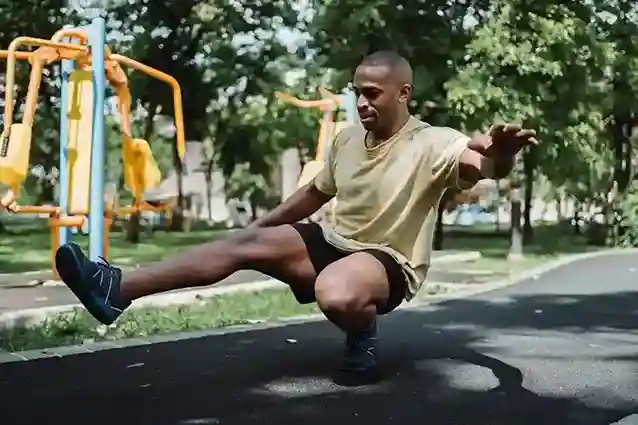
People often speak about motivation as though it’s always there. It isn’t. Some evenings, getting changed for exercise feels effortless. For some, getting off the couch seems like enough effort for a single day. Almost everyone is impacted by hectic schedules, little sleep, family obligations, or just having a bad day.
It may seem harmless to skip today’s session while exercising alone. No one else is waiting, after all. That is precisely what occurs at times. At other times, a single missed session silently becomes two, and then another week passes.
While they don’t instantly solve that, team sports do make it more difficult to lose focus. Often, all it takes to break the habit before it begins is a brief message that says, “See you tonight?” or that the rest of the team is already getting ready.
Routine Sneaks Up on People
One thing that surprises many adults after joining a local club is how ordinary training eventually becomes. Not boring. Just normal. It ends up sitting in the calendar alongside work, family dinners, or the weekly supermarket trip. There’s less thinking about whether to go because the decision was almost made weeks ago. That’s one of the biggest differences between organised sport and exercising alone.
Solo workouts ask people to create that rhythm themselves. Plenty of people manage it without any trouble. Plenty of others discover they do better when there’s a regular time, a familiar place, and people expecting to see them. Neither way is more impressive. They’re simply different.
Progress Shows Up in Unexpected Places
People typically start playing different sports because they want to get fitter. But that’s rarely the only thing they gain. Team sports naturally build communication, quick decision-making, and adaptability, and those skills often carry over into work, home, and everyday life.
Different progress are developed via solo training aswell. It teaches perseverance on slow days, consistency when results aren’t immediately apparent, and the self-control to continue working out even when no one else is aware that it was done. Each strategy has something valuable to give.
Choosing the Right Fit
Not everyone can find the ideal workout. There are many who truly appreciate the independence that comes with working out by themselves. Others have discovered via trial and error that exercising with teammates and on a regular schedule makes them far more consistent. Selecting the activity that sounds the most appealing to you is not what matters. It’s uncovering one that, once the first surge of excitement subsides, still seems plausible.
For adults who want to keep learning while staying involved in football, adult football programmes provide another option. They combine structured learning with practical football education, allowing participants to stay connected with the game in a different way.
Final Thoughts
Working out alone and participating in team sports don’t need to compete with each other. They are just specific and very different experiences. Certain individuals wear headphones and go out by themselves to discover their rhythm. Others discover it by seeing the same familiar people at the same pitch each week.
The best workout isn’t the perfect one – it’s the one you still come back to, even after busy weeks and tiring days.