Evaluating
Software sales proposals are crucial documents that offer a roadmap for potential technological advancements within a company. They outline the specific features, services, and costs associated with software products, shaping the decision-making process for businesses. As software becomes increasingly integral to operations, comprehending these proposals is vital for strategic investment in technology.
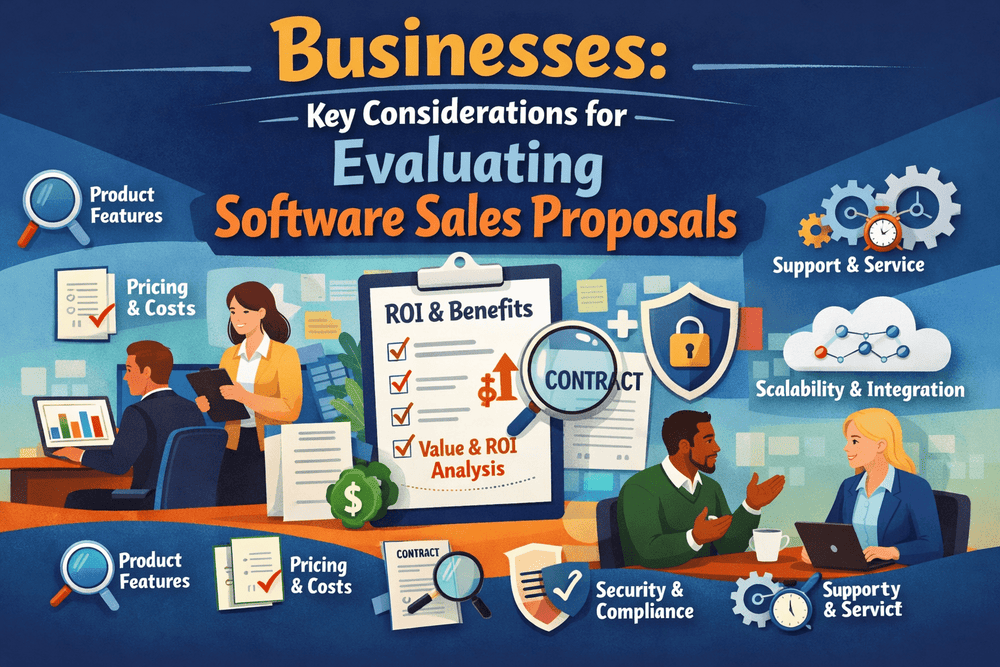
Unpacking the intricacies of a software sales proposal can reveal whether a product aligns with company objectives, offers a beneficial cost structure, and provides reliable support. Below, we delve into the core considerations businesses must weigh to make an informed decision on their software investments.
Assessing Software Sales Proposals: Aligning with Business Needs
Understanding how a software solution fits within the organizational ecosystem is the fundamental aspect of evaluating a sales proposal. Businesses should prioritize software that not only promises innovative features but also seamlessly integrates with their existing infrastructure and enhances operational efficiency.
Consideration should be given to the relevance of the software’s functionality to the industry-specific workflows and challenges the business faces. For instance, a CRM system for a retail company should have robust customer data analytics, while a construction firm might prioritize project management features.
proposal for software sales An actionable approach involves mapping out current business processes and pinpointing gaps that the proposed software could fill. Ensuring that the solution aligns with the company’s growth trajectory and long-term strategies will enhance the likelihood of a successful adoption and return on investment.
Evaluating the Cost-Benefit Ratio in Software Investments
The financial implications of software proposals can make or break a deal. It’s crucial for businesses to critically assess not just the upfront cost but the total cost of ownership, which includes maintenance, upgrades, and training expenses over time.
Many companies have found hidden costs in the fine print, leading to budget overruns and strained resources. Diligence in identifying and forecasting these costs against the projected benefits is necessary to validate the investment. Scalability also comes into play here; as the business grows, will the software adapt cost-effectively, or will it necessitate a hefty reinvestment?
Decision-makers should conduct a thorough cost-benefit analysis to weigh the tangible benefits, such as productivity gains and revenue increases, against the total cost. This analysis helps in determining if the software will deliver a solid return on investment within a reasonable time frame or if alternative options should be explored.
Vendor Reliability and Support Structures in Software Proposals
Vendor reliability is a pivotal consideration when sifting through software sales proposals. The vendor’s track record can provide insights into their ability to deliver a quality product and maintain it through customer service and technical support.
Scrutinizing vendor references and testimonials is a start, but it’s also wise to evaluate the robustness of their support services. The level of responsiveness, availability of resources like training materials or user communities, and service level agreements (SLAs) will indicate how well the vendor can support the software post-implementation.
Businesses should prioritize vendors with a reputation for consistent updates, strong security measures, and proactive customer service. Engaging with a vendor that offers comprehensive support minimizes risks and can boost the longevity of the software within the company.
Analyzing Long-Term Scalability and Integration Capabilities
When evaluating a software sales proposal, it’s important to consider the solution’s scalability and integration capabilities. The goal is to choose software that can grow with the company and work well with other tools already in use.
A scalable solution should be able to accommodate an increasing number of users or transactions without significant performance degradation or the need for a complete system overhaul. Similarly, the software should play well with other enterprise systems, whether that means native integration capabilities or the ability to customize connections.
Businesses can benefit from establishing clear scalability and integration requirements at the outset. This ensures that the software will continue to serve them as they evolve, preventing the need for costly migrations or replacements in the foreseeable future.
Ultimately, the evaluation of software sales proposals must be meticulous and strategic. Companies need to align software options with their business needs, carefully weigh the cost against the benefits, ensure vendor reliability, and choose solutions that will scale and integrate seamlessly. By examining these aspects thoroughly, businesses can make informed decisions that will drive growth and enhance operational efficiency for years to come.
About the Author